How Adaptive Exercise Rebuilds Strength After Injury (Without Making It Worse)
Most people return to exercise the wrong way after an injury.
They either:
- Do nothing for too long
or - Jump back into workouts that caused the problem in the first place
Both lead to the same outcome:
You never fully recover.
The Problem With “Going Back to Normal”
After an injury, your body changes.
You may have:
- Reduced mobility
- Weak stabilizing muscles
- Altered movement patterns
- Pain with certain positions
Going back to your old workouts ignores all of that.
That’s why injuries come back—or never fully go away.
What Adaptive Exercise Does Differently
Adaptive exercise rebuilds your strength based on your current capacity—not your past ability.
That means:
- Working within pain-free ranges
- Reintroducing movement gradually
- Rebuilding stability before adding load
- Progressing in a controlled, structured way
This is how you actually move forward.
Step 1: Restore Control
Before strength, you need control.
That includes:
- Joint positioning
- Muscle activation
- Coordination
If you skip this, you’re just layering strength on top of dysfunction.
Step 2: Rebuild Stability
Stability is what protects your joints under load.
Without it:
- Knees collapse
- Shoulders compensate
- Lower back takes over
Adaptive training focuses on:
- Controlled reps
- Proper alignment
- Eliminating compensation patterns
Step 3: Gradual Load Progression
Only after control and stability improve do we increase the load.
This is where most people rush—and reinjure themselves.
Progression should be:
- Measured
- Intentional
- Based on how your body responds
Not based on what you “used to lift.”
Pain Is Feedback, Not Something to Push Through
One of the biggest mistakes people make:
Ignoring pain.
In adaptive training:
- Pain guides adjustments
- Movements are modified immediately
- Exercises are replaced when needed
You don’t push through pain.
You train around it—and improve it.
What This Looks Like in Real Training
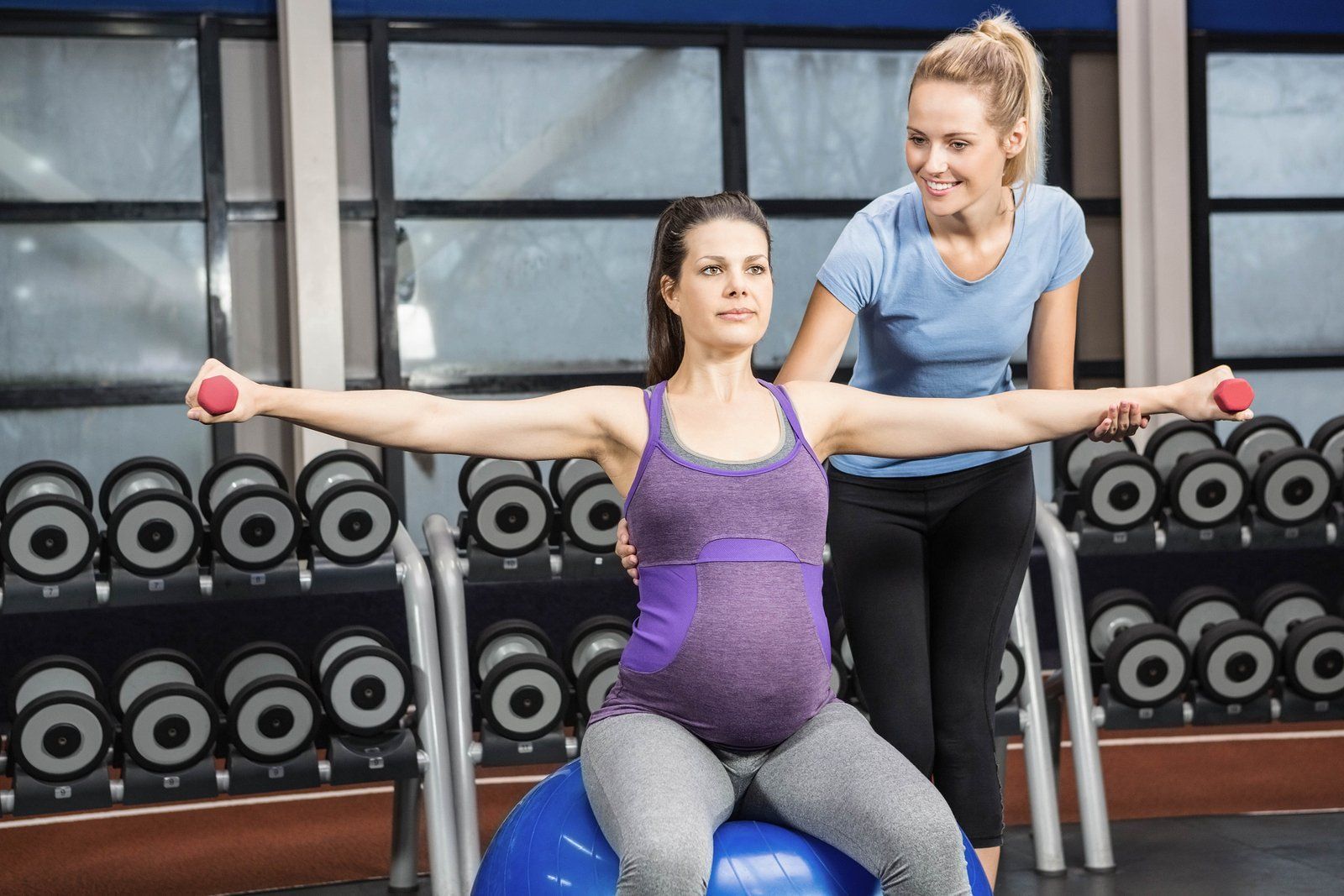
Instead of forcing exercises, we adjust them:
- Squats become supported or range-limited
- Pressing movements change angle or grip
- Deadlifts are modified for positioning and load
- Core work focuses on stability, not strain
Everything is built around what your body can do today.
The Result
Done correctly, adaptive exercise leads to:
- Reduced pain
- Improved movement quality
- Increased strength
- Long-term durability
Not temporary progress—sustainable results.
The Bottom Line
Injuries don’t mean you stop training.
They mean you need to train differently.
Adaptive exercise gives you a way to keep moving forward—without setbacks.
Work With Me
At JasonKeigher.com, I specialize in one-on-one adaptive personal training for clients dealing with injuries, limitations, and real-world constraints.
No generic programs.
No unnecessary risk.
Just structured, intelligent training that works.